 آمار مطالب
 کل مطالب : 63 کل نظرات : 26
 آمار کاربران افراد آنلاین : 0 تعداد اعضا : 0
 آمار بازدید بازدید امروز : 0 بازدید دیروز : 2 ورودی امروز گوگل : 0 ورودی گوگل دیروز : 0 بازدید هفته : 27 بازدید ماه : 182 بازدید سال : 588 بازدید کلی : 588
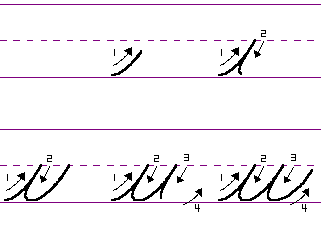
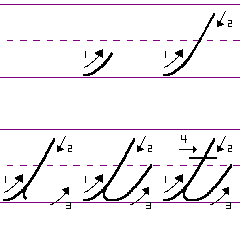
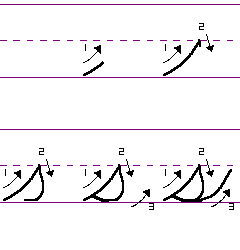
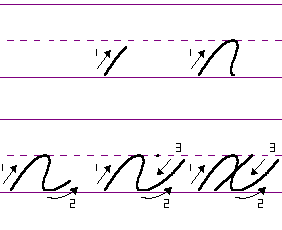
  اطلاعات شما آی پی : 216.73.217.99 مرورگر : سیستم عامل : امروز : چهارشنبه 22 مهر 1405 مکالمه ساده انگلیسی به همراه تلفظ چند جمله ی زیبای زبان انگلیسی با ترجمه ی فارسی متن و ترجمه آهنگ Adele با نام Someone Like You تکیه کلامهای عامیانه و رایج زبان انگلیسی با ترجمه فارسی Are You Optimistic or Pessimistic? خط تحريري حروف انگليسي جملات معلوم ومجهول در زبان انگلیسی Old fashioned people Barron’s Prepare for IELTS Vocabulary
 گل خوشبو - سلام سلام.خوفی سلامتی؟اومدم دعوتت کنم مهمونی.میای بریم؟قدمت سرچشم.مطالب نفس های اخرم رو بخون و نظرتو بگو.خوشحال میشم.
.gif)
.gif) - دوشنبه 08 دی 1404
سهیل - سلام دوست عزیز.وبلاگ خیلی خوبی داری.اگه دوست داشتی منو لینک کن و بیا بهم خبر به تا لینکت کتم.موفق باشی - دوشنبه 08 دی 1404
الهام - سلام خسته نباشید ، وبلاگ قشنگی دارید خوشحال میشیم تبادل لینک داشته باشیم
- دوشنبه 08 دی 1404
سهیل - سلام دوست عزیز.وبلاگ خیلی خوبی داری.اگه دوست داشتی منو لینک کن و بیا بهم خبر به تا لینکت کتم.موفق باشی - دوشنبه 08 دی 1404
الهام - سلام خسته نباشید ، وبلاگ قشنگی دارید خوشحال میشیم تبادل لینک داشته باشیمسایت ما دارای پیج رنک 4 گوگل و آمار بازدید بسیار بالا می باشد که تبادل لینک با آن برای افزایش بازدید سایت شما نیز بسیار موثر خواهد بود.
در صورت تمایل برای تبادل لینک به صفحه تبادل لینک به آدرس زیر مراجعه کنید.
http://links.turister.biz
- دوشنبه 08 دی 1404
فاطمه - سلام سال نو مبارک اگه دوس داشتین میتونین عکسهای جدیدمو ببینین - دوشنبه 08 دی 1404
مهدی مرادخان - سلام عزیز خوبی من میتونم امار بازدید وبلاگتو افزایش بدم طوری که تو صفحات اول گوگل نشون داده بشه و افراد زیادی از وبلاگت بازدید کنن یه تست برات میرم به آمار وبلاگت توجه کن امروز. به ازای هر 01000 بازدید هم 2000 تومن میگیرم اگه خواستی به ایمیلم پیام بده ممنون. - دوشنبه 08 دی 1404
بارون - .gif) - دوشنبه 08 دی 1404
ریحانه - سلام.میشه بگیدچی میخونه؟ازچندنفرپرسیدم گفتن هیچی.بلندگوخودمون صداش نمیاد.ممنونم.
- دوشنبه 08 دی 1404
ریحانه - سلام.میشه بگیدچی میخونه؟ازچندنفرپرسیدم گفتن هیچی.بلندگوخودمون صداش نمیاد.ممنونم.پاسخ:ی اهنگ چرت و پرت میخوونه مثله نوحه و غیره ...صداش رو نروه منه ..شما تو قسمت بخش موزیک انلاین ی قسمت رو فعال کردید ی اهنگ میخووونه ... - دوشنبه 08 دی 1404
زهرا - من اصن خشک نیستم درضمن دانشجوی حقوق بنظرم خیلی باحالن.خخخخخخخخ عین خودم.gif)
پاسخ:خووودت ک اره باحالی خیلی ...ولی جدی من بچه های حقوق رو میبینم اکثرا خشکن یعنی ی جورین .... - دوشنبه 08 دی 1404
زهرا - وبت عالیه.ممنون که بم سرزدی دوست عزیز.gif)
پاسخ:ممنون ..بازم سر میزنم بهت ... - دوشنبه 08 دی 1404
فروشگاه اینترنتی لباس - سلام .یاسمن هستم از فروشگاه اینترنتی لباسی با زیباترین لباسهای دخترانه بچه گانه و زنانه و مردانه. از این که تونستم در وبلاگ شما نظری درج کنم واقعا خوشحالم. ممنون میشم منو هم با اسم فروشگاه اینترنتی لباسی لینک کنید. مارو از نظرات خوب بی بهره نکنید خیلی ممنون.gif) - دوشنبه 08 دی 1404
- دوشنبه 08 دی 1404
- تاریخ ارسال : دوشنبه 18 اسفند 1393
- بازدید : 1539

Dont look my headscarf is on its my yoke
نگاه نکن روسری رو سرمه این جبره
I dont believe the solution is waiting
من معتقد نیستم که راه حلش صبره
is means my right is to live
این یعنی حقم زندگی
I am a person
من ی ادمم
tell me I want to knowhow am I any less than you?
بگو میخوام بدونم بگو چی از تو کمتردارم
Give me two minutes to say what I have to say as a woman
بزار تو دو دقیقه مثل یه زن بگم حرفمو
People are people you have to understand my pain
ادم ادمه تو باید بفهمی دردمو
You are right in everything you say the law is on your side
تو حق داری هرچی میگی قانون طرفته
law says hithitting is the only thing you say
قانون میگه بزن زدن فقط حرفته
this head is for breaking yeah it hurts hit it
این سر واسه شکستن اره درد میکنه
I speak too look whos in the agony of death
بزن من حرف میزنم ببین کی جون میکنه
- تاریخ ارسال : دوشنبه 18 اسفند 1393
- بازدید : 1484

I have to say happy international women day to all ladies in round the world
Especially my friends who has become already part of my life
I wish the blessing and happiness for them
- تاریخ ارسال : یکشنبه 10 اسفند 1393
- بازدید : 2459

What is Optimism?
Optimism is the overall view that the world is a great place and that things will turn out ok. The optimist believes (for example) that events will turn out for the best, or that people are trustworthy. Most people are generally optimistic about things that have turned out well for them in the past, or about things that have good associations for them. People can also be optimistic about their internal lives and still pessimistic about external world events.
What is Pessimism?
Pessimism is essentially the direct opposite of optimism in that it is the belief that the world is a bad place and that things will turn out for the worst. You may be pessimistic for example about the prospects of getting a new job, or about your partner forgiving you for an indiscretion.
Better to be Optimistic or Pessimistic?
There are often links between our psychology and physiology. Research into the relationship between optimism and our overall well being has shown maintaining a positive outlook is not only better for our minds but also affects our bodies. Sadly the pessimist probably expected this, and so it's a case of thinking it, makes it so. A self fulfilling prophecy of sorts.
source :learnmyself
- تاریخ ارسال : جمعه 08 اسفند 1393
- بازدید : 1260


Expressing certainty and uncertainty
Certainty and uncertainty
Certainty is the state of being completely confident or having no doubt about something. However, uncertainty is when nothing is ever decided or sure.
Expressing certainty
When you are sure that something will or will not happen in the future, use these expressions.
For example to the question:
"Will John pass the exam?"
you may respond as follows:
Yes, I'm absolutely sure
quite sure
certain
positivehe will. definitely.
certainly.
of course.or
No, I'm absolutely sure
quite sure
certain
positivehe won't. definitely not.
certainly not.
of course not.
Expressing uncertainty
When you are not sure whether something or someone will or will not happen, use the following expressions.
For example, to the question:
"Will John follow a career in business?"
you may respond as follows:
Well, it's possible,
it's impossible,
it might be,
it might not be,
it could happen,I suppose, but I wouldn't like to say for certain.
I'm not sure
I doubt it.
I have my own doubts.
it's doubtful.
It's highly / very unlikely.you never know of course,
no one can know for certain.
I can't tell you for sure.
- تاریخ ارسال : یکشنبه 03 اسفند 1393
- بازدید : 2233

جملات معلوم و مجهول (active and passive sentences)
Active
.where the person or thing doing the action is the subject of a sentences or verb
زمانی ما از فعل معلوم استفاده می کنیم، که درباره این که فاعل چه کاری انجام داده است صحبت شود.
:Example
.My grandfather was a builder. He built this house in 1935
Passive
the form of the verb that shows that the action is done by a person or thing to another person or thing
زمانی که ما از فعل مجهول استفاده میکنیم، ما درباره اینکه چه اتفاقی افتاده است صحبت میکنیم و فاعل یا انجام دهنده کار مشخص نیست.
:Example
.This house is quite old. It was built in 1935
تبدیل جملات معلوم به مجهول (Transform active verb to passive verb)
برای تبدیل کردن جملات معلوم به مجهول, مفعول به جای فاعل می آید و نقش نایب فاعل را می گیرد.
:Instruction
Active sentences: subject + verb + object + adverb
Passive sentences: deputy of subject + Derivatives of to be + p.p. + adverb
Present simple
. . . + Instruction: deputy of subject + (am/is/are) + p.p
:Example
.Active: she sees me every day
.Passive: I am seen every day
Past simple
. . . + Instruction: deputy of subject + (was/were) + p.p
:Example
.Active: Sonia wrote a letter yesterday
.Passive: A letter was written yesterday
Future simple
. . . + Instruction: deputy of subject + will be + p.p
:Example
.Active: I will clean the window tomorrow
.Passive: The window will be cleaned tomorrow
Present continuous
. . . + Instruction: deputy of subject + (am/is/are) being + p.p
:Example
.Active: They are painting the wall
.Passive: The wall is being painted
Past continuous
. . . + Instruction: deputy of subject + (was/were) being + p.p
:Example
.Active: she was washing the kitchen
.Passive: The kitchen was being washed
Present perfect
. . . + Instruction: deputy of subject + (have/has) been + p.p
:Example
.Active: He has broken the glass
.Passive: The glass has been broken
Past perfect
. . . + Instruction: deputy of subject + had been + p.p
:Example
.Active: We had bought some books for school
.Passive: Some books had been bought for the school
Future perfect
. . . + Instruction: deputy of subject + will have ben + p.p
:Example
.Active: He will have bought a new car by 2012
.Passive: A new car will have been bought by 2012
نکته 1:
بعضی از افعال میتوانند دو مفعول داشته باشند، بنابراین میتوانیم از این افعال دو جمله مجهول درست کنیم.
.Some verb can have two objects. So it possible to make two passive sentences
.The verbs which can have two objects
(ask – offer – pay – show – teach – tell – give)
:Example
Active: Somebody gave the police the information = Somebody gave the information to the police
Passive: 1.The police were given the information.
or
.Passive: 2. The information was given to the police
.When we use these verbs in the passive, most often we begin with the person
وقتی این افعال را در جملات مجهول بکار میبریم, اغلب, جمله را با شخص شروع میکنیم
نکته 2:
میتوانیم در جملات مجهول به جای be از فعل get استفاده کنیم.
We can use get instead of be in the passive
:Example
(There was a fight at the party, but nobody got hurt. = (nobody was hurt
(I don’t often get invited to parties. = (I’m not often invited
(I’m surprised Liz didn’t get offered the job. = (Liz wasn’t offered the job
نکته 3:
ما از کلمه get فقط میتوانیم در جمله هایی که اتفاقی را توضیح میدهند استفاده کنیم.
.We can use get only when things happen
:For example we can use get in the following sentences
(Jill is liked by everybody. (not gets liked – this is not a happening
(He was a mystery man. Very little was known about him. (not got known



- تاریخ ارسال : جمعه 01 اسفند 1393
- بازدید : 1537

فیلم محمد رسول الله (نام انگلیسی : The Message)ساخته مصطفی عقاد محصول مشترک لبنان و لیبی و کویت و مراکش و بریتانیا در سال 1977 می باشد.متاسفانه پس از انقلاب این فیلم همیشه با سانسور پخش شده است و در سایت های ایرانی همواره با دوبله برای دانلود گذاشته شده است که در اینجا این فیلم با زبان انگلیسی و زیرنویس پارسی در اختیار شما می باشد.
 توضیح : برای چسباندن پارت ها از نرم افزار HJSplit استفاده کنید.این نرم افزار و آموزش آن را میتوانید از اینجا دریافت کنید.(پسوورد فایل : www.wikidownload.tk)
لینک دانلود:

source ;wikidownload
- تاریخ ارسال : چهارشنبه 29 بهمن 1393
- بازدید : 1646
ی مطلب مفصل در مورد گرامر زبان انگلیسی (گذشته ...حال ...اینده )
زمان های گذشته در زبان انگلیسی
زمان گذشته ساده ( past – simple)
.We use the past simple for an action in the past with an important result now
برای بیان کارهایی که قبل انجام شده و تمام شده است و اینجا نتیجه کار مهم تر است.
Instruction: subject + the past tense of verb + . . . + the past tense of adverb
افعال گذشته به دو صورت هستند.
دسته اول:
افعال با قاعده (regular verbs) که ed میگیرند:
Work = worked
dance = danced
Clean = cleaned
stay = stayed
Start = started
need = needed
نکته:
در افعالی که به حرف (Y) ختم میشوند، اگر یک حرف قبل از آن حروف صدادار (vowel) باشد (ed) به صورت معمولی بر سر فعل می آید. اما اگر یک حرف قبل از آن حروف بی صدا (consonant) باشد حرف (Y) تبدیل به حرف (I) می شود و ( ed) بر سر فعل می آید.
Copy=copied
Stay= stayed
افعالی که به حرف (E) ختم شوند، با اضافه شدن (ed) به فعل, (E) حذف میشود.
Dance= danced
افعالی که سه حرف آخر آنها به ترتیب بی صدا-صدادار-بی صدا باشد، حروف آخر آنها Double می شود.
Plan= planned
دسته دوم:
افعال بی قاعده (irregular verb) که این دسته ستون 2 دارند که جزو افعال گذشته میباشند.
Do = did
have = had
Eat = ate
begin = began
Go = went
read = read
فعل (read) ستون اول و دومش یکی است با تلفظ متفاوت.
:Example
.Terry worked in a bank from 1996 to 2003
.The party finished at midnight
برای سوالی و منفی کردن این جملات از فعل کمکی (Did) استفاده میکنیم.
نکته:
با آوردن فعل کمکی، ed از فعل حذف میشود و فعل ستون دوم به ستون اول باز میگردد.
:Example
?Did Terry work in a bank from 1996 to 2003
.Yes, he did
No, he didn’t work in a bank from 1996 to 2003
?Did the party finish at midnight
.Yes, it did
No, it didn’t finish at midnight
زمان گذشته استمراری (past – continuous)
We use the past continuous for things that sometimes happening in the past that usually with a past simple
برای بیان استمرار کارهایی است که در گذشته انجام شده است و معمولا با یک گذشته ساده همراه است.
Instruction: subject + (was / were) + verb + ing + . . . + the past tense of adverb
صرف فعل در گذشته استمراری: داشتم – داشتی – داشت – داشتیم – داشتید – داشتند
:Example
.I was writing a letter last night
.We were reading English yesterday
علامت های گذشته استمراری عبارتند از : while – when
When: in the same time
.I was washing the dishes when she arrived
.When she arrived, I was washing the dishes
While: in the same time
.I often fall asleep while I’m reading
.While I’m reading,I often fall asleep
نکته:
اگر کلمات when/while اول جمله بیایند بین دو جمله علامت کاما قرار میگیرد.
زمان گذشته کامل (past – perfect )
We use the past perfect for an action in the past that happen before another action that usually with a past simple
برای بیان کارهایی که در زمان گذشته قبل از کار دیگری انجام شده است، استفاده میشود و معمولا با یک زمان گذشته ساده همراه است.
. . . + Instruction: subject + had + p.p
صرف فعل در گذشته کامل: بودم – بودی – بود – بودیم – بودید – بودند.
:Example
.They had left the station when I went there
?Had they left the station when you went there
.Yes, they had
نکته:
کلمه when هم در گذشته استمراری و هم در گذشته کامل کاربرد دارد.
برای تشخیص زمان جمله باید جمله گذشته ساده را تشخیص دهید و با توجه به جمله دوم زمان جمله را تعیین کنید.
(They had left the station when I went there. (Past – perfect
(When she arrived, I was washing the dishes. (Past – continuous
زمان گذشته کامل استمراری (Past – perfect– continuous)
We use the past perfect continuous for an action that sometimes happening in the past with says length of time
برای بیان استمرار کارهایی که در گذشته انجام شده است و طول زمان را هم بیان میکند استفاده میشود.
. . . + Instruction: subject + had been + verb + ing
:Example
.I had been working for two hours before he came
?Had you been working for two hours before he came
For: a period of time
معنی for در این جمله، برای می باشد.
زمان حال ساده (present-simple)
We use the present simple for things that are true in general, or for things that happen sometimes or all the time
برای بیان کارهایی که به طور معمول انجام میشود و روزمره است. مانند صبحانه خوردن که یک کار روزمره است.
. . . + (Instruction: subject + verb (infinitive
نکته 1:
برای سوم شخص مفرد فعل با « s » سوم شخص مفرد می آید.
: Example
.I go to school every day
.They play football every day
.He / She goes to school every day
منفی کردن و سوالی کردن جملات حال ساده با استفاده از افعال کمکی انجام میشود. (Do / Does)
: Example
?Do they play football every night
.Yes, they do. No, they don’t
?Does (he / she) watch TV every night
.Yes, (she/he) does. No, (she/he) doesn’t
نکته2:
هر گاه افعال کمکی در جمله استفاده شود دیگر افعال اصلی « s » سوم شخص نمیگیرند.
زمان حال استمراری (present continuous)
.We use present continuous for things that sometimes happening now
برای بیان کارهایی که همین حالا در حال انجام شدن است, استفاده میشود.
. . . + Instruction: subject + (am- is–are) + verb + ing
صرف فعل در حال استمراری : دارم – داری – دارد –داریم – دارید – دارند.
: Example
.He is going home
?Is he going home
.Yes, he is. No, he isn't
.They are washing their car
.I am doing my homework
زمان حال کامل (present perfect)
.We use the present perfect for an action in the past with a result now
برای بیان کارهایی که در گذشته انجام شده است ولی اثر و نتیجه کار مهم تر است.
. . . + Instruction: subject + (have / has) + P.P
صرف فعل در حال کامل : ام – ای – است – ایم – اید – اند .
علامت های حال کامل عبارتند از : (yet - just - since -for - ever - already)
: Example
.I have seen this film three times so far
.She hasn’t left home yet
.He has written the letter since 9 o’clock
?Have you eaten your lunch
.Yes, I have. No, I have not
just : a short time ago
?Are you hungry
.No, I’ve just had dinner
already : before you expected / befor I expected
.It’s 9 o’clock and Anna has already gone to bed
Yet : until now
نکته 2:
از این کلمه فقط در جمله های منفی و سوالی استفاده میشود و همیشه در آخر جمله می آید.
?Have Diane and Paul arrived yet
.No, not yet
.No, they haven’t arrived yet
Since : the start of the period
.Joe has been in hospital since Monday
For : a period of time
.I’m going away for afew weeks
Ever : in question
?Have you ever played golf
.No, I’ve never played golf
زمان حال کامل استمراری (present - perfect – continuous)
.(We use the present perfect continuous for an action in a time in the past (to now
برای بیان کار هایی که از قبل شروع شده و هنوز تمام نشده است کاربرد دارد.
. . . + Instruction: subject + (have / has) been + verb + ing
:Example
.It has been raining since this morning
.I have been working here since last week
.We use the future for subject's intention-meditation and idea about future
از زمان آینده برای بیان قصد و تفکر و ایده فاعل یا انجام دهنده کار درباره آینده استفاده میکنیم.
زمان آینده ساده ( future – simple )
.We use the simple future for an action that happens in the future
برای بیان کارهایی که قرار است در آینده انجام شود استفاده می شود.
Instruction: subject + will / shall + verb (infinitive) + . . . + the future of adverb
:Example
.I will go to park tomorrow
.They will buy a house next week
?Will they buy a house next week
.Yes, they will. No, they won’t
نکته:
از هر دو فعل کمکی will/shall می توانیم در جملات آینده ساده استفاده شود اما will معمول تر است و از کلمه shall بیشتر برای نوشته های رسمی و درخواست ها استفاده میکنیم. برای منفی کردن، فعل کمکی will تبدیل به won't می شود.
برای منفی کردن، فعل کمکی shall تبدیل به shan't می شود.
. . . We often say I think . . . will
گاهی اوقات قبل از will از I think به معنی من فکر میکنم استفاده میکنیم.
.I think Kelly will pass the exam
.I don’t think Kelly will pass the exam
?Do you think will Kelly pass the exam
برای بیان کارهایی که از قبل برنامه ریزی شده و تصمیم گرفته شده است از going to استفاده می کنیم.
.Something is going to happen = we can see now that it is sure to happen
.I decided to do it =I’m going to do it
کارهایی که برنامه ریزی می شوند و مطمئنا انجام می شوند.
. . . + (Instruction: subject + (am – is – are) + going to + verb (infinitive
:Example
.I’m going to buy some books tomorrow
.I’m not going to have breakfast this morning. I’m not hungry
?Are you going to invite Martin to your party
زمان آینده استمراری ( future – continuous)
We use the future continuous for an action that happens in the future that we don’t know its accurate time
برای بیان کارهایی که در آینده انجام می شود و از زمان دقیق انجام آن در آینده اطلاع نداریم استفاده می شود.
Instruction: subject + will be + verb + ing + . . . + the past tense of adverb
:Example
.We will be sitting for exam tomorrow at this time
.I will be driving to Tehran tomorrow at this time
زمان آینده کامل ( future – perfect )
We use the future perfect for an action in the future that happens before another action
برای بیان کارهایی که در آینده قبل از کار دیگری باید انجام شود استفاده می شود.
. . . + Instruction: subject + will have + p.p
:Example
.I will have finished this book by Peter come back
.They will have written the letters before tomorrow
?Will they have written the letters before tomorrow
By = not later than
.David will be back by Monday
.I’ll have finished my home work by 11:30
Before = earlier than time that said or earlier than somebody or something
.Everybody feels nervous before exams
.I will have read this book before tomorrow
زمان آینده کامل استمراری ( future – perfect – continues)
We use the future perfect continuous for an action that perfect in accurate time
برای بیان کارهایی که در زمان مشخصی از آینده قرار است کامل شوند استفاده می شوند.
. . . + Instruction: subject + will have been + verb + ing
:Example
.By the time we get home, I will have been driving for three hours
.By the end of this week, we will have been working here for six months
نکته:
در تمام فرمول ها گفته شده که آخر جملات از قید زمان آینده استفاده میکنیم.
علامت این قید های گفته شده عبارتند از :
tomorrow – next - 10 days later - in 2 hours (in + time ) - from now on - the following - the day after - soon - before long - in future - from now onward - this coming week – end
نکته:
برخی از افعال و اصطلاحاتی که بیشتر در زمان آینده کاربرد دارند عبارتند از: Think - know - believe - hope - suppose - expect - sure -…. Probably

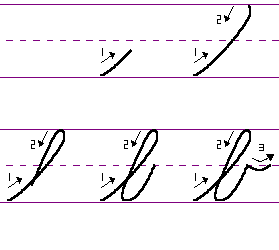
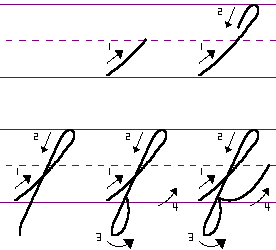
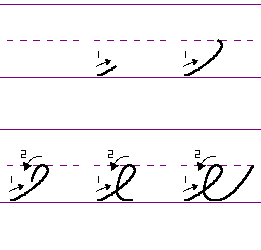
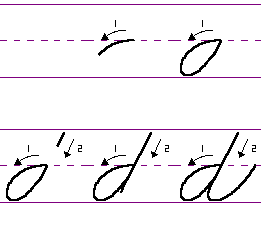
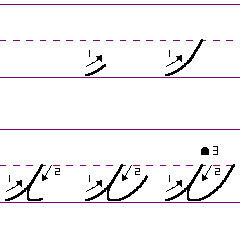
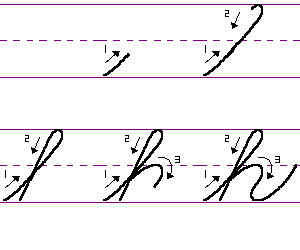
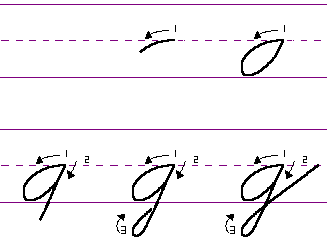
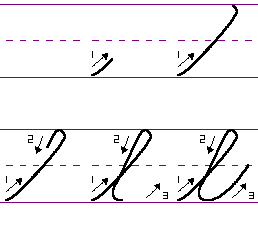
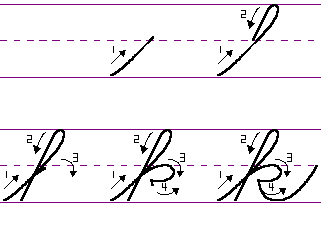
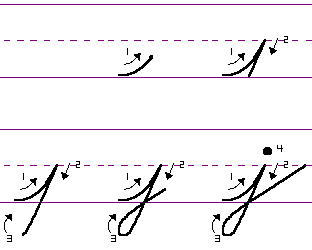
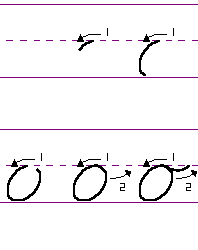
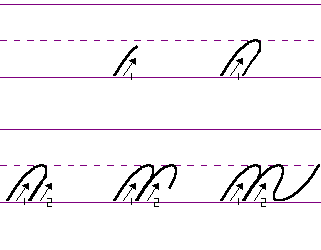
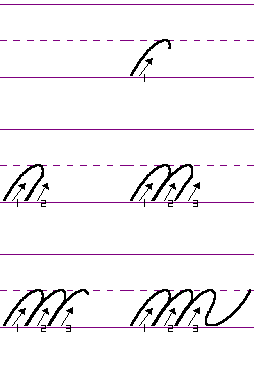
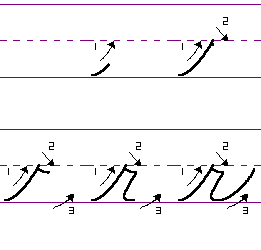
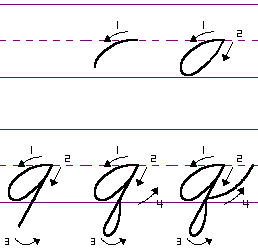
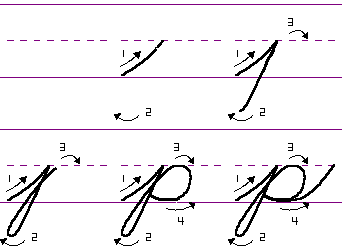
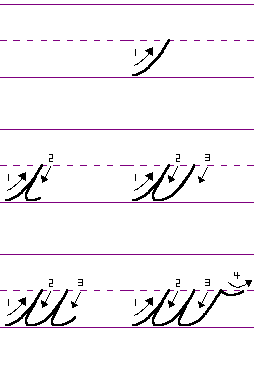
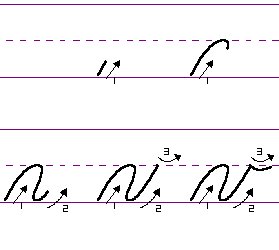
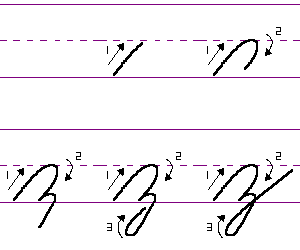
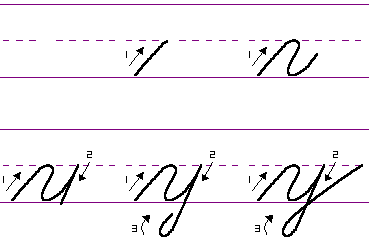
- تاریخ ارسال : جمعه 24 بهمن 1393
- بازدید : 1474

| زود باش . مایل هستم که شما ، تعدادی از دوستانم را ملاقات کنید | come on. I'd like you to meet some of my friends |
| بعد از ظهر بخیر. ممکن است پاسپورت شما را ببینم ؟ | good afternoon. may I see your passport,please ? |
| خوشحال هستم که کمک می کنم . این بخشی از کارم است | I'm glad to help . it's part of the job |
| ما اتاق 758 را برای شما رزرو کرده ایم | we have room 758 reserved for you |
| حدودا پیاده ده دقیقه راه است | it's about a ten-minute walk |
| لطفا گوشی را نگهدارید | please hold |
| اه . انگلیسی شما خیلی خوب است | oh. your English is very good |
| واقعا . برادرم یک مهندس است | really. my brother is an engineer |
| شوهر من ، هم یک مهندس است | my husband is an engineer , too |
| واقعا . رشته ی اصلی خواهر من تجارت است | really. my sister is a business major |
| واقعا . خواهر من در آلمان زندگی می کند. | really. my sister lives in Germany |
| بیا برویم یه چیزی برای خوردن تهیه کنیم | let's go get something to eat |
| بیا در مورد اجاره ی شما صحبت کنیم | let's talk about your lease |
| لطفا دنبال من بیاید | follow me , please |


